Cariadeghe Plateau Natural Monument: Where Stone Becomes Memory
Hidden within the gentle folds of eastern Lombardy, the Cariadeghe Plateau Natural Monument unfolds as a silent dialogue between time, stone, and atmosphere.
This is not a landscape that seeks attention through grandeur or spectacle. Instead, it reveals itself gradually, inviting a deeper kind of presence. Here, nature is not observed from a distance—it is felt, absorbed, and remembered.
The plateau stretches like a suspended expanse of limestone, shaped by millennia of geological patience. Every contour, every hollow, every subtle rise tells a story written by water and gravity, erosion and absence. The Cariadeghe Plateau is not merely a natural area; it is a living archive of the Earth’s slow and deliberate transformation.
A unique karst landscape in northern Italy
The Cariadeghe Plateau represents one of the most significant karst systems in the Brescia region. Its surface is defined by classic karst formations such as dolines, sinkholes, limestone pavements, swallow holes, and underground cavities. These elements do not follow rigid symmetry; they appear scattered, organic, almost spontaneous, yet they are bound by an invisible logic dictated by geology.
Rainwater disappears suddenly into the ground, carving unseen pathways beneath the surface. What seems solid reveals itself as porous, fragile, and dynamic. This continuous exchange between surface and underground creates a landscape that feels alive, subtly shifting, always in motion even when perfectly still.
The emotional depth of silence
One of the most striking aspects of the Cariadeghe Plateau Natural Monument is its silence. Not an empty silence, but a layered one—dense, textured, and resonant. The absence of urban noise sharpens perception: footsteps sound louder, the wind gains weight, and even distance feels different.
This silence fosters an emotional openness. Thoughts slow down, senses recalibrate, and the mind aligns with the rhythm of the land. The plateau does not impose emotions; it allows them to surface naturally, shaped by space, light, and stillness.
Light, seasons, and changing perceptions
The plateau’s character changes constantly with the light and the seasons. In winter, the limestone appears austere, almost solemn, its pale surface accentuated by shadows and cold air. Spring introduces softness: grasses emerge between the rocks, wildflowers briefly color the stone, and the landscape breathes renewal.
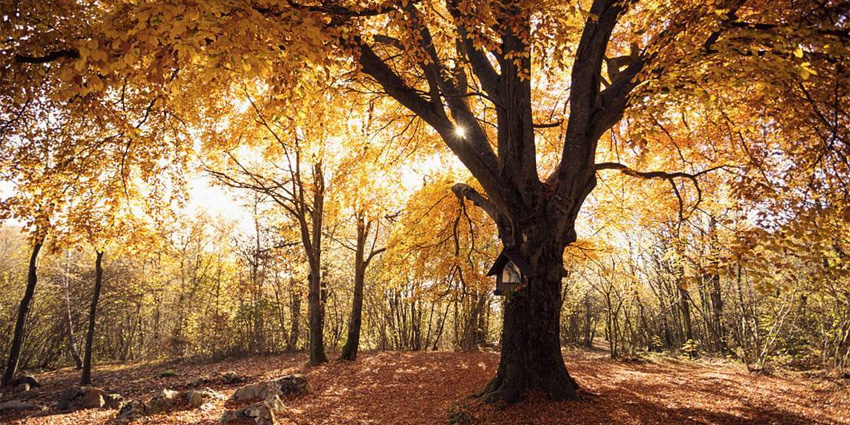
Summer light sharpens contrasts, revealing the intricate textures of the karst pavement. Autumn brings muted tones, mist, and a sense of introspection. Each season reshapes the emotional experience of the plateau, making every encounter distinct and unrepeatable.
Flora adapted to stone and scarcity
Despite the apparent harshness of the terrain, the Cariadeghe Plateau supports a surprisingly rich and specialized flora. Plants here are shaped by necessity, adapted to thin soils, limited water retention, and exposed conditions. Dry grasslands host resilient herbaceous species, while low shrubs anchor themselves among fractured limestone.
Some botanical species found on the plateau are rare or locally significant, contributing to the ecological value of the natural monument. Their presence is discreet, never dominant, yet essential to the balance of the ecosystem. Life here does not conquer the stone—it negotiates with it.
Wildlife in a discreet equilibrium
Animal life on the plateau follows the same principle of discretion. Wildlife is present but rarely obvious. Small mammals move quietly through the grass, birds of prey trace wide circles in the open sky, and insects occupy precise ecological niches shaped by the karst environment.
This restrained presence reinforces the sense of equilibrium that defines the plateau. Nothing feels excessive or intrusive. Each species exists in proportion, responding to the land rather than reshaping it.
The hidden world beneath the plateau
Beneath the limestone surface lies another dimension of the Cariadeghe Plateau Natural Monument: an extensive underground network of caves and cavities. These subterranean spaces reveal the long-term effects of water on rock, expressed through stalactites, stalagmites, and mineral formations created over thousands of years.
The underground landscape is silent and timeless, detached from weather and daylight. It serves as a reminder that what is visible is only a fragment of the whole. The plateau’s true depth exists below, unseen yet fundamental, shaping the surface from within.
A landscape shaped by time, not dominance
Human presence in the Cariadeghe Plateau area has historically been minimal and restrained. The land itself seems to demand respect, discouraging aggressive alteration. Traces of human activity are subtle, integrated rather than imposed, allowing the natural identity of the plateau to remain intact.
This balance between nature and human history reinforces the plateau’s role as a cultural and environmental reference point. It is not a place defined by use, but by continuity—where memory is preserved through restraint.
The plateau as an inner landscape
More than a physical environment, the Cariadeghe Plateau becomes an inner landscape for those who experience it. Its openness encourages reflection, while its geological complexity suggests depth beyond appearances. The vastness does not overwhelm; it steadies.
The plateau teaches patience and attention. It reveals beauty through detail rather than excess, through endurance rather than immediacy. Long after leaving, what remains is not a single image, but a feeling—a quiet awareness shaped by stone, silence, and time.
A natural monument of subtle power
The Cariadeghe Plateau Natural Monument stands as a testament to nature’s ability to create meaning without spectacle. Its power lies in restraint, its beauty in balance. It is a place where geology becomes emotion, where landscape becomes memory, and where the Earth’s slow voice can still be heard by those willing to listen.