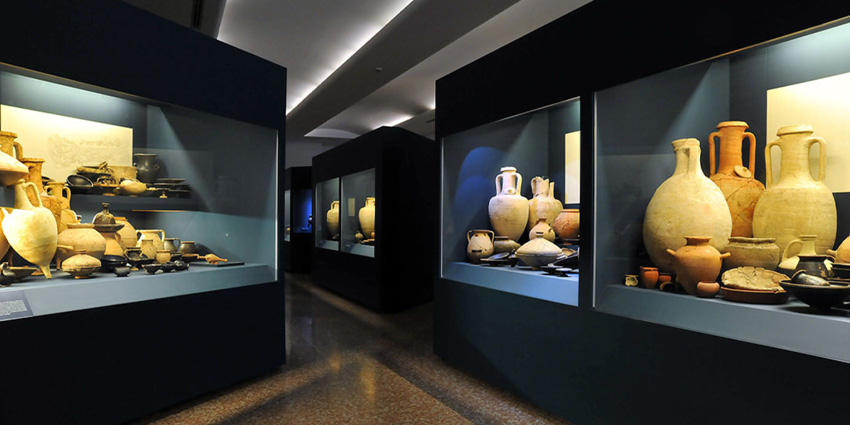
National Archaeological Museum of Adria: an intimate encounter with ancient memory
Visiting the National Archaeological Museum of Adria feels like stepping into a suspended dimension, a space where silence becomes a guardian of distant eras
and where the history of an ancient port city slowly resurfaces beneath the calm light of its galleries. The moment one enters, time appears to soften, stretching between present and past, allowing the visitor to perceive traces of lives that once animated the vibrant landscape of the Po Delta.
A city shaped by water
Adria’s identity is deeply rooted in the rhythm of water. The Po, the lagoons, and the ancient Adriatic coastline once embraced the city, molding its destiny and transforming it into a vital crossroads of commerce and cultural exchange. The objects displayed within the museum speak of this intimate relationship: fragments of everyday life, imported goods, finely crafted vessels, and offerings that reveal a constant dialogue between local inhabitants and distant civilizations.
Wandering through the museum’s rooms evokes the sense of a living tapestry woven by centuries of encounters. Each artifact reflects the passage of merchants, sailors, and travelers who brought with them new ideas, new symbols, and new materials. Their stories, though fragmented, still seem to resonate softly between the display cases.
The enchanting glow of ancient glass and ceramics
Among the museum’s most captivating treasures are the renowned Adrian glass artifacts. These delicate objects, with their translucent tones and fluid forms, appear as if they still hold the shimmering reflections of the ancient waterways. Observing them up close feels like witnessing light captured and preserved across centuries, a silent echo of the city’s maritime soul.
Equally evocative are the ceramics, which reveal the gestures and rituals of everyday life. Some pieces bear refined decorations that hint at ceremonial uses, while others retain the simplicity of domestic routines—cups, bowls, and plates that might once have accompanied moments of celebration or quiet family gatherings. Their surfaces, worn yet resilient, recount a world made of habitual gestures now distant yet strangely familiar.
🎁 Checklist Gratuita: IA senza errori
Integrare l’IA nel flusso di lavoro in 5 step collaudati. Una guida pratica in PDF per trasformare la tecnologia in un vantaggio competitivo immediato
SCARICA LA CHECKLISTFaces and stories carved in stone
The museum also preserves statues, funerary stelae, and votive offerings that add an emotional depth to the visit. The carved faces seem to hold expressions that time has frozen but not erased. Standing before these figures offers a moment of intimate reflection: they are not merely archaeological finds, but traces of individuals who once lived, dreamed, loved, and mourned.
The funerary objects, in particular, convey a delicate sense of humanity. Jewelry, personal belongings, and symbolic items accompany the visitor in a journey through ancient beliefs, highlighting how communities sought connection with the divine and dialogue with the afterlife. These remnants reveal a world where spirituality and daily existence intertwined seamlessly.
A narrative path through light and silence
The arrangement of the museum’s spaces guides visitors in a fluid, almost literary progression. Soft lighting, modern yet discreet setups, and carefully designed perspectives transform the observation of each artifact into a sensory experience. The environment encourages a slow, contemplative rhythm, allowing the eyes to linger on details and the mind to weave its own interpretations.
As one moves from room to room, the museum unfolds like a story that does not need words. It invites the visitor to listen to the quiet voice of objects, to perceive the subtle dialogue between cultures, and to feel how the ancient essence of Adria continues to pulse through its archaeological heritage.
A presence that remains beyond the visit
Exiting the National Archaeological Museum of Adria, an unexpected sensation often lingers—a gentle awareness of having touched something timeless. It is the feeling of carrying with oneself the echo of distant generations, the impression that the ancient waters and the ancient lives they sustained have left a subtle mark on memory.
The museum thus becomes more than a place of preservation. It stands as a bridge between eras, a space where the past does not remain silent but continues to breathe, inviting those who encounter it to recognize the delicate, enduring beauty of what history has chosen to preserve.