Discover Amalfi: A Journey Through the Beauty of Italy’s Amalfi Coast
Nestled between dramatic cliffs and the sparkling blue waters of the Mediterranean Sea, Amalfi is one of the most enchanting destinations on the Amalfi Coast.
From its picturesque streets and historic architecture to its peaceful seaside atmosphere, this charming Italian town invites you to slow down, embrace the moment, and discover the beauty of simple pleasures.
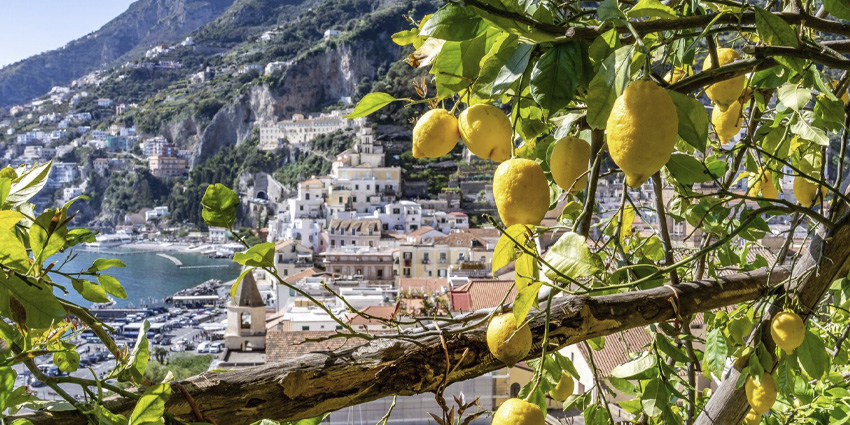
Arriving in Amalfi feels like stepping into a postcard. Colorful buildings climb the hillsides, boats gently move across the water, and the warm Mediterranean sunshine gives everything a golden glow. There is something truly special about this corner of Italy, where natural beauty and centuries of history blend effortlessly.
Getting Lost in the Charm of Amalfi
One of the most memorable ways to experience Amalfi is simply to wander through its narrow streets without following a strict itinerary.
Every corner reveals something unexpected: a small boutique displaying handmade ceramics, a traditional café serving freshly brewed espresso, or a quiet alley opening onto a breathtaking sea view.
At the heart of the town stands the magnificent Cathedral of Saint Andrew, known locally as the Duomo di Amalfi. Its striking façade, grand staircase, and rich architectural details make it one of the town’s most iconic landmarks.
Yet Amalfi is not only about famous attractions. Its true charm lies in the little moments: the sound of footsteps on ancient stone, the scent of lemon trees drifting through the air, and the feeling of discovering a hidden corner that seems untouched by time.
These are the moments that turn a trip into a lasting memory.
The Flavors of the Amalfi Coast
No experience in Amalfi would be complete without discovering its culinary traditions.
The local cuisine reflects everything that makes this region special: fresh ingredients, Mediterranean flavors, and a deep connection to the surrounding landscape. Fresh seafood, handmade pasta, locally grown lemons, and traditional desserts are all part of the experience.
A leisurely lunch overlooking the sea is more than just a meal. It is an invitation to enjoy life at a different pace, savoring every bite while watching the waves shimmer beneath the sunlight.
And then there is the famous Amalfi lemon, a symbol of the region and an essential ingredient in many local specialties. Its vibrant aroma captures the essence of the coast, bringing a little Mediterranean sunshine to every dish.
Whether you choose a family-run trattoria or a terrace with panoramic views, the flavors of Amalfi offer a delicious way to connect with the local culture.
The Beauty of the Sea and the Mediterranean Light
The sea is an essential part of Amalfi’s identity.
Its changing shades of blue create a spectacular contrast with the whitewashed buildings and rugged cliffs. During the day, the coastline feels bright and vibrant, while late afternoon brings softer colors and a more intimate atmosphere.
Walking along the waterfront, watching fishing boats return to shore, or simply sitting by the sea can become some of the most meaningful moments of your visit.
For those who enjoy exploring beyond the town center, the surrounding Amalfi Coast offers scenic coastal roads, panoramic viewpoints, charming villages, and opportunities to discover the region from the water.
Nearby destinations such as Positano and Ravello each reveal a different side of this remarkable landscape. Together, they make Amalfi an ideal starting point for exploring one of Italy’s most celebrated coastal regions.
Why Amalfi Should Be on Your Italian Travel Bucket List
Amalfi has a rare ability to appeal to different kinds of travelers.
For romantics, it offers unforgettable sunsets and intimate seaside dinners. For culture lovers, its historic cathedral and maritime heritage tell stories of a fascinating past. For food enthusiasts, it provides an authentic taste of southern Italian cuisine.
And for anyone simply looking to escape the rhythm of everyday life, Amalfi offers the opportunity to reconnect with the things that matter: beautiful surroundings, meaningful experiences, and time spent enjoying the present.
The best way to discover Amalfi is to leave room for spontaneity. Take the scenic route, pause for an espresso, explore a street that catches your eye, or stay a little longer when the view is too beautiful to leave behind.
Sometimes, the most unforgettable travel experiences are the ones you never planned.
When Is the Best Time to Visit Amalfi?
Spring and early autumn are wonderful times to explore Amalfi. During these periods, the weather is often pleasant, the coastal scenery is beautiful, and visitors may find a more relaxed atmosphere than during the busiest summer weeks.
Summer brings warm temperatures, lively streets, and the full energy of the Mediterranean holiday season. It is also a popular time to enjoy boat trips and seaside activities, although accommodation and transport can be busier and more expensive.
Whenever you decide to visit, planning ahead is helpful, especially during peak season. Comfortable walking shoes, time for leisurely meals, and a flexible itinerary can make your experience even more enjoyable.
Amalfi Is More Than a Destination — It Is a Feeling
What makes Amalfi unforgettable is not just its beauty, but the way it makes you feel.
It is the warmth of the sun on your skin, the taste of fresh lemon, the sound of the sea in the distance, and the quiet pleasure of watching the world go by from a little café.
It is a destination that reminds you that travel does not always have to be about seeing as much as possible. Sometimes, it is about experiencing a place deeply enough to carry a piece of it home with you.
Long after the journey ends, the memories remain: the colors, the flavors, the views, and that unmistakable feeling of having discovered somewhere extraordinary.
Perhaps Amalfi is exactly the kind of place your next Italian escape has been waiting for. And sometimes, all it takes to begin a new adventure is a little inspiration and the desire to discover somewhere beautiful.