Lamon Beans: Discovering the Authentic Taste of Italy’s Mountain Tradition
There are some Italian foods you discover almost by accident, and then there are those that stay with you long after the meal is over.
For me, Lamon beans belong firmly to the second category.
During a journey through the mountains of northern Italy, I had the opportunity to taste these traditional beans, known in Italian as Fagioli di Lamon. What surprised me most was how such a simple ingredient could have so much character. Creamy, delicate and slightly sweet, they turned an ordinary rustic dish into something genuinely memorable.
What Are Lamon Beans?
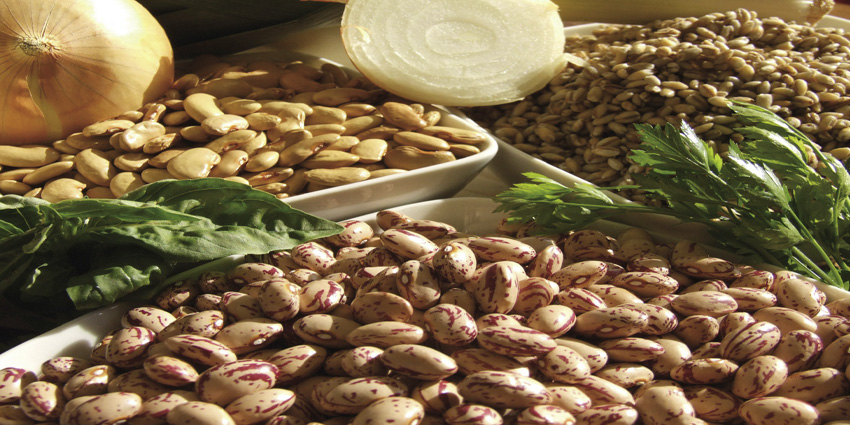
Lamon beans are a traditional Italian legume associated with the Lamon area in the province of Belluno, Veneto. They have been cultivated in this mountainous region for generations and are particularly appreciated for their flavor, thin skin and creamy texture.
Unlike ordinary beans that can sometimes feel heavy, Lamon beans have a remarkably delicate consistency. When cooked properly, they become soft and creamy without losing their distinctive taste.
Their appearance is also part of their identity. Some varieties feature attractive mottled patterns, making them easy to recognize and adding a rustic touch to traditional Italian dishes.
A Taste of the Italian Dolomites
What made tasting Lamon beans special was the setting.
The Lamon area is surrounded by the landscapes of the Italian Dolomites, where food traditions are closely connected to the land, the seasons and local agriculture. Here, recipes are often uncomplicated, allowing high-quality ingredients to speak for themselves.
I remember tasting a simple bean dish prepared with just a few ingredients. There was no need for complicated sauces or elaborate presentation. The beans themselves were the star.
The flavor was subtle but satisfying, with a creamy texture that made every spoonful feel comforting and authentic.
It was one of those meals that reminded me why Italian regional cuisine is so fascinating: the best culinary experiences are not always found in sophisticated restaurants. Sometimes, they are hidden in traditional recipes passed down through generations.
Why Are Lamon Beans So Special?
There are several reasons why Lamon beans are considered a traditional Italian food.
First, their connection to the local territory is extremely important. The mountain environment, climate and agricultural traditions of the Lamon area have shaped the way these beans are grown and appreciated.
Second, their culinary versatility makes them surprisingly easy to enjoy. Lamon beans can be used in soups, salads, stews and traditional pasta dishes. They also work beautifully as a simple side dish, particularly when combined with olive oil, herbs and seasonal vegetables.
And then there is the texture.
For me, that was probably the most memorable characteristic. Properly cooked Lamon beans become wonderfully creamy while maintaining enough structure to make the dish interesting.
How to Cook Lamon Beans
One of the pleasures of traditional beans is that they don’t require complicated cooking techniques.
If using dried Lamon beans, they are typically soaked before cooking and then simmered slowly until tender. The exact preparation depends on the recipe, but slow cooking is often the key to achieving that characteristic creamy texture.
A simple preparation can include:
- Lamon beans
- Extra virgin olive oil
- Garlic
- Fresh herbs
- Salt and pepper
- Seasonal vegetables
For a more traditional Italian experience, they can also become the foundation of a hearty soup or rustic bean stew.
The important thing is not to overwhelm them. Their delicate flavor deserves to be noticed.
Lamon Beans in Traditional Italian Cuisine
Italian cuisine is famous for transforming humble ingredients into memorable dishes, and Lamon beans are a perfect example.
They can be paired with grains, pasta, vegetables and local meats, creating dishes that are nutritious, filling and deeply connected to the traditions of northern Italy.
A rustic Italian bean soup made with Lamon beans is particularly appealing on a cold day. The creamy beans naturally thicken the broth, creating a comforting dish without the need for excessive ingredients.
They can also be served cold or at room temperature in salads, where their texture and subtle sweetness become even more noticeable.
More Than Just a Bean
What I took away from my experience with Lamon beans was that they represent more than just an ingredient.
They tell a story about a particular part of Italy, about mountain agriculture and about the importance of preserving local food traditions.
In an increasingly globalized food culture, discovering a product with such a strong connection to its territory feels special. It is a reminder that Italian cuisine isn’t just about pizza, pasta or famous regional dishes. Sometimes, the most interesting discoveries are the foods that are still closely connected to small communities and local traditions.
And perhaps that is what makes Fagioli di Lamon worth discovering.
If you enjoy exploring authentic Italian food, regional ingredients and culinary traditions beyond the usual tourist favorites, adding Lamon beans to your gastronomic journey might be a small discovery with a surprisingly big taste.
Final Thoughts
My experience with Lamon beans was a simple one, but it stayed with me.
Their creamy texture, delicate flavor and connection to the mountains of Veneto make them an ingredient worth seeking out. They are proof that authentic Italian cuisine doesn’t need to be complicated to be memorable.
Sometimes, all it takes is a bowl of beans, a little olive oil, and the right place to appreciate where the food comes from.
And if you ever find yourself exploring northern Italy, keep an eye out for Lamon beans. You might discover a small piece of Italian culinary heritage hiding in one of the simplest dishes.